
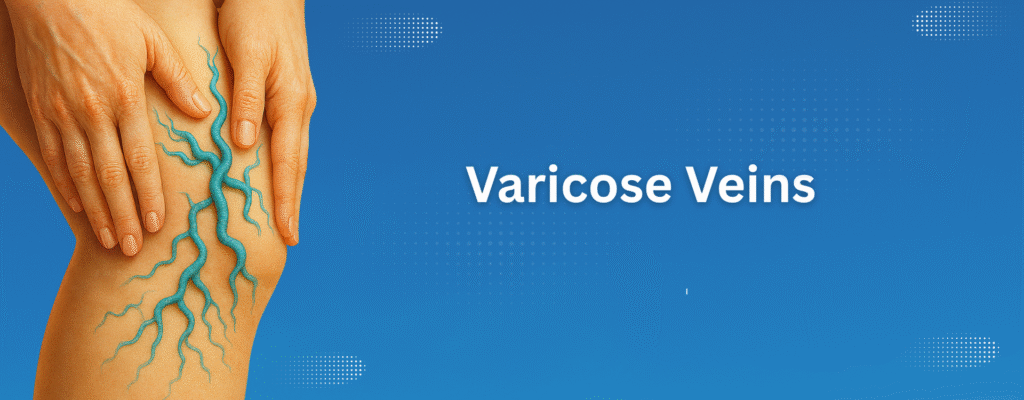


Varicose Veins
Swollen, twisted veins often visible on the legs due to weakened vein valves.
They cause pain, heaviness, and discomfort during long standing.
Minimally invasive treatments help restore normal blood flow and appearance.
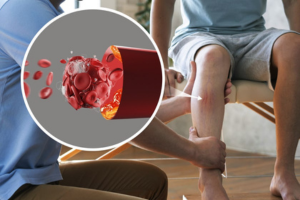
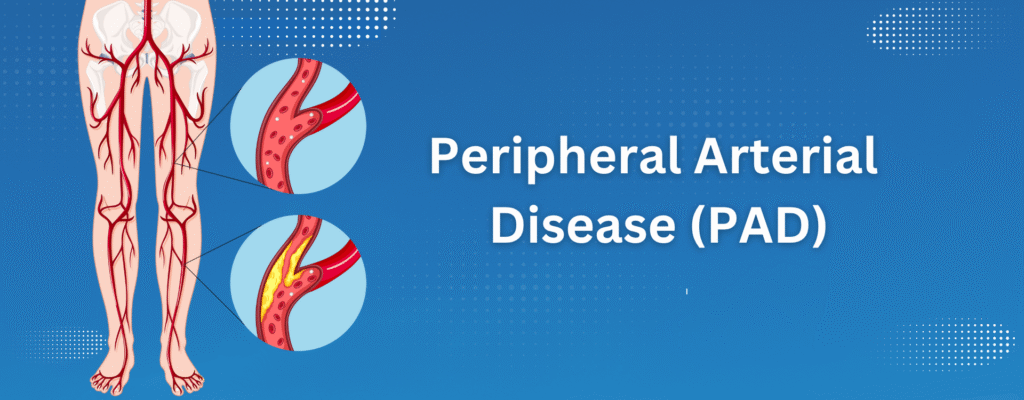
PAD – Peripheral Artery Disease
A condition where narrowed arteries reduce blood flow to limbs.
Common symptoms include leg pain or cramping while walking.
Early diagnosis and treatment improve mobility and prevent complications.
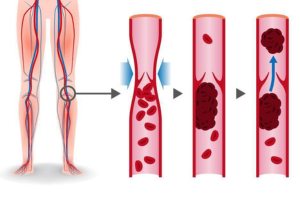
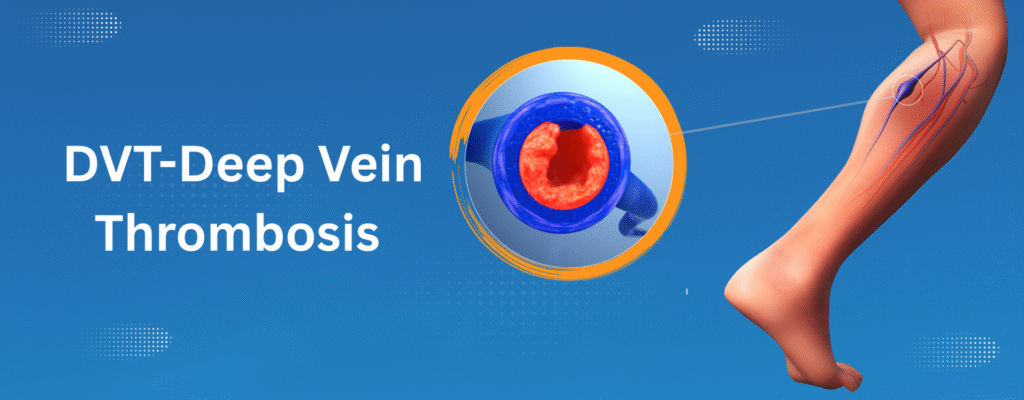
DVT – Deep Vein Thrombosis
A blood clot forms in deep veins, usually in the legs.
It causes swelling, pain, and redness, with risks of pulmonary embolism.
Quick medical attention is vital to avoid life-threatening issues.
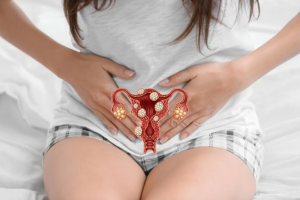
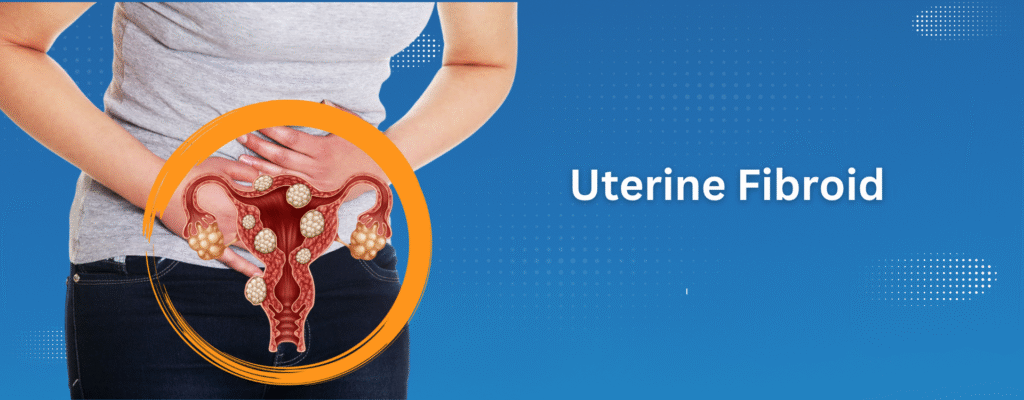
Uterine Fibroids
Non-cancerous growths in the uterus affecting women of reproductive age.
They lead to heavy bleeding, pelvic pain, and fertility concerns.
Minimally invasive treatments offer effective symptom relief.
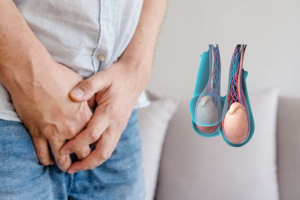
Varicocele
Enlarged veins in the scrotum, similar to varicose veins in legs.
It may affect sperm quality and male fertility.
Simple, non-surgical options can treat discomfort and improve outcomes.
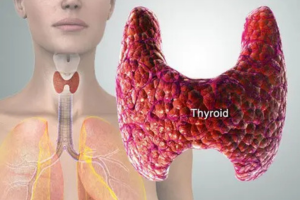
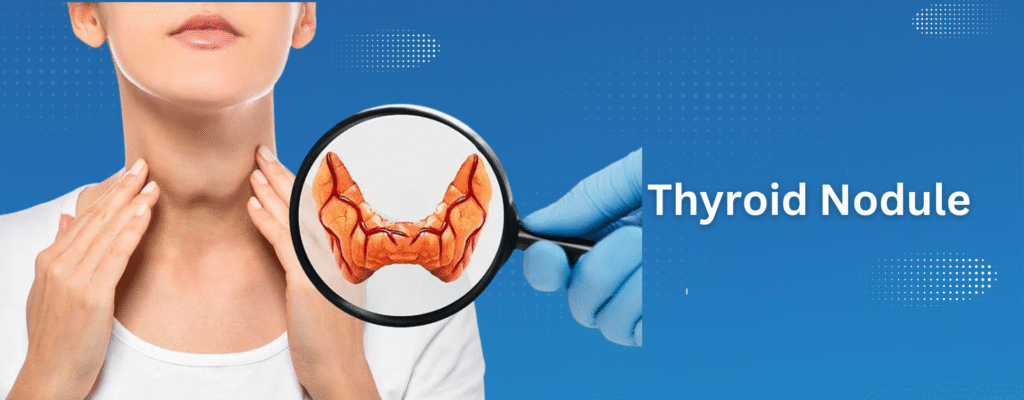
Thyroid Nodules / Lumps
Small lumps in the thyroid gland, often detected through imaging.
Most are harmless but require monitoring or minor procedures.
Advanced therapies ensure precise, safe management.
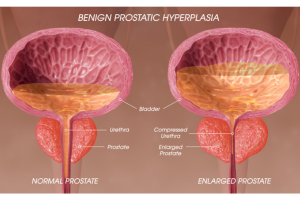
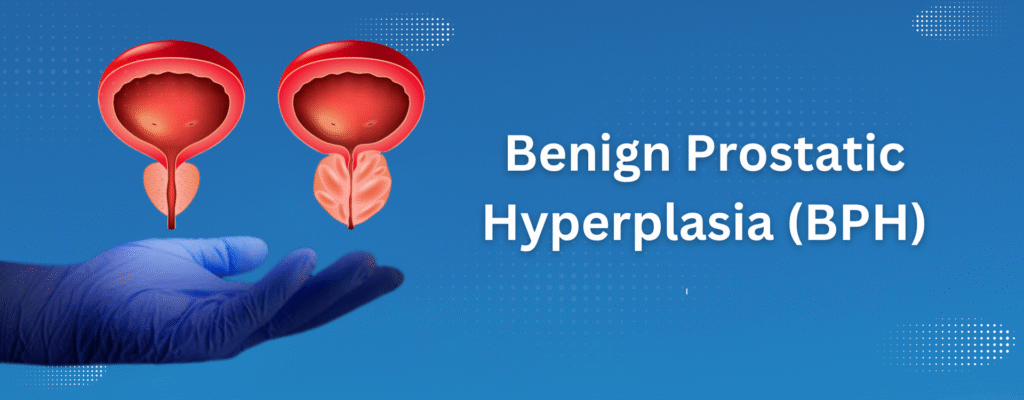
BPH (Benign Prostatic Hyperplasia)
An age-related enlargement of the prostate gland in men.
It causes frequent urination, weak flow, or bladder issues.Modern treatments offer quick relief with minimal downtime.
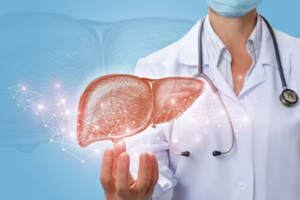
TACE / TARE
Targeted liver cancer treatments using chemotherapy or radiation.
Therapies are delivered directly to the tumor via blood vessels.
They are less invasive, reducing side effects while improving results.
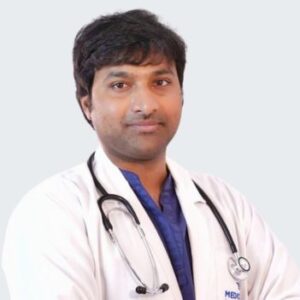
Dr Saiteja Namala
MBBS, MD (Radiodiagnosis) FVIR, PDCC (Interventional Radiology) Consultant Vascular & Onco Interventional Radiologist

Dr Kavya Namala
MBBS, MD (General Medicine), MRCP,
Consultant General Physician and Diabetologist
Had a great experience. Doctor is friendly, patient, and professional. Highly recommended.

Samyotha K
